The story
The margins
I was born in Moldova as the Soviet Union was coming apart, and moved to Minneapolis when I was eight. My homework came back the same way for years: answers, mostly wrong, and margins full of cars, cool houses and random gadgets. By middle school I’d found Rhino and started building the cars in 3D.
I didn’t have a word for any of it. It was years before I learned that designing everyday things was a job, and that it was called industrial design.
The detour
By then engineering looked like the safe path, so I took it. I’ve spent fifteen years in software, and it’s been a good career.
It also showed me, up close, how cheap it has become to build something that pulls at your attention. With AI, it’s close to free.
Something built
The drawing never stopped. I moved from Rhino to Revit and designed a whole house, start to finish, for a lot I meant to build on myself. In the end I sold the design and the lot to a developer, and the house went up anyway.
It was the first time something I’d drawn became something real.
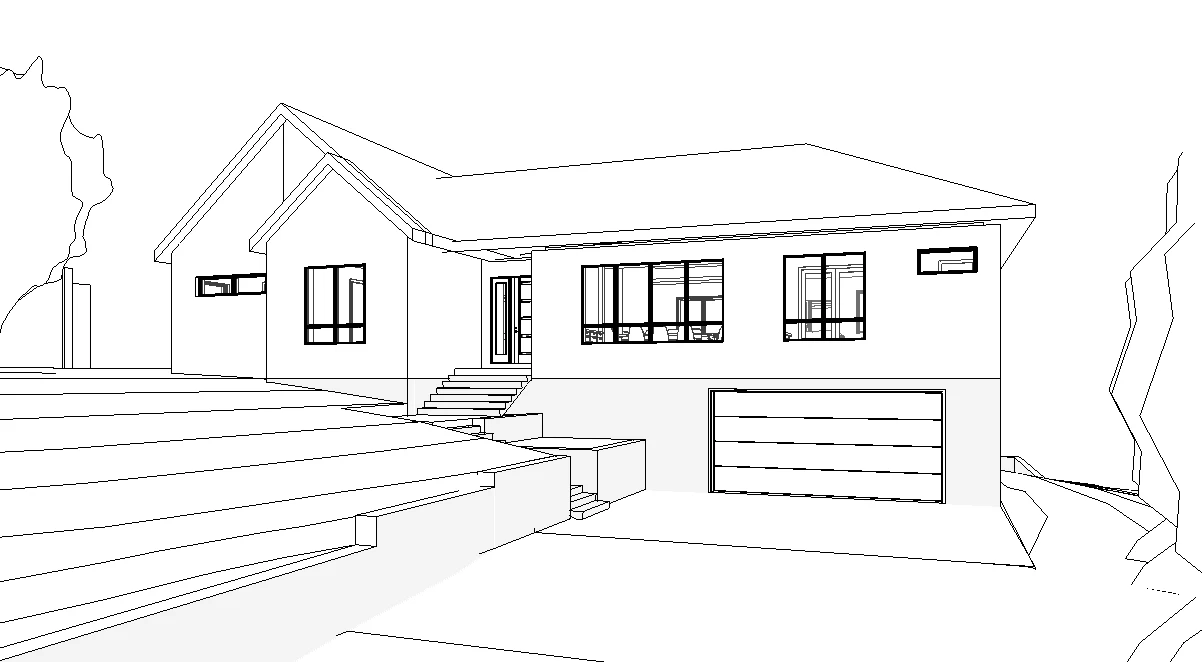
The Aspect
I still wanted to make an object I’d be proud to see other people own, something used every day. So I opened Fusion 360 and designed a watch I’d want to wear every day myself.
Most of the work was taking things away. Flashy colors, sparkling gems, anything that was there to be looked at came off. What’s left is a 41 mm steel case, 7.5 mm thin, a warm white dial, and hands that tell you the time. It doesn’t buzz, it doesn’t need charging every night, and it doesn’t ask anything of you.
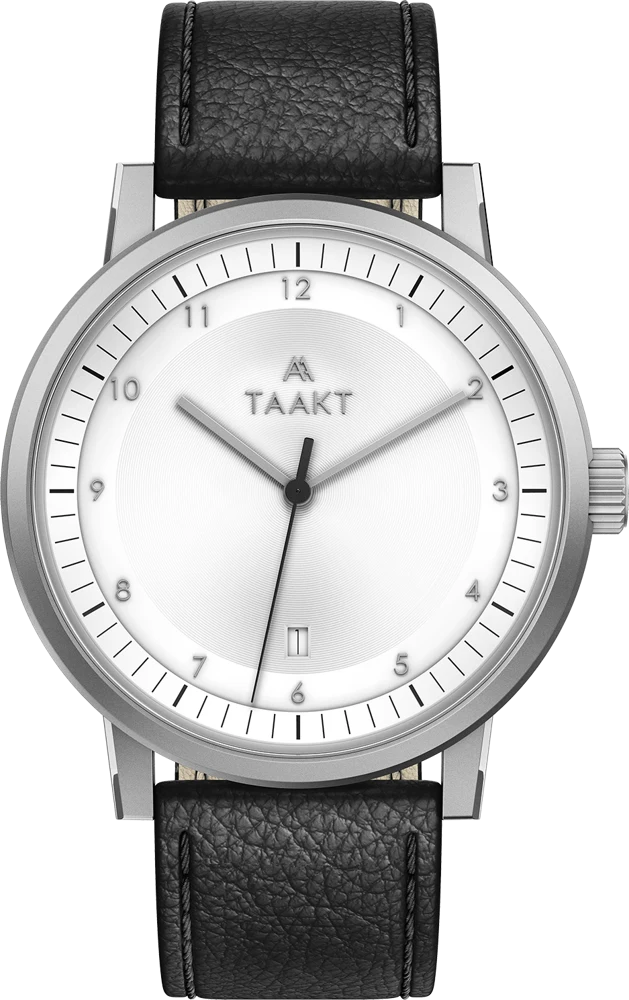
That watch is the Aspect.
The name

TAAKT, said like “talked”, is the Russian word for a measure in music: the beat that time is counted in. It also means tact. I liked the idea of a watch that keeps time and knows when to stay quiet.
— Stan Grin, Minneapolis
See the Aspect